Blog

Mango ~Matcha Protein Chia Pud

Sangamithra GV

In this busy & bustling world we live in, finding a breakfast option that’s both nutritious and delightful can feel like striking gold. Look no further! Today, we’re sorting your fiber + protein formula with this  Mango Matcha Protein Chia Pudding – a vibrant fusion of flavours and wholesome goodness that’ll kickstart your day with a burst of energy.
Unlocking the Power of Matcha Vegan Plant Protein Powder

Imagine a product that seamlessly combines the antioxidant-rich essence of Japanese ceremonial matcha with the muscle-building prowess of vegan plant protein powder – that’s exactly what we’re talking about here! This versatile powder isn’t just for smoothies; it’s a game-changer in the realm of healthy desserts and snacks. And guess what? With a remarkable 24 grams of protein packed into every 38 grams of powder, it’s a powerhouse of nutrition that’ll keep you fuelled and focused throughout the day.

Embracing the Fiber-Rich Goodness of Mangoes

Let’s talk about mangoes – nature’s candy that’s not only delicious but also brimming with fiber and essential nutrients. By incorporating these juicy gems into our lovely breakfast we’re not just adding a burst of tropical flavour; we’re also boosting it’s fiber content, keeping your digestive system happy and your cravings at bay. And here’s the best part – no added sugars! It’s a guilt-free indulgence that your taste buds and your body will thank you for.
Recipe:

Mango Matcha Protein Chia Pudding

Serves 2 

Ingredients:

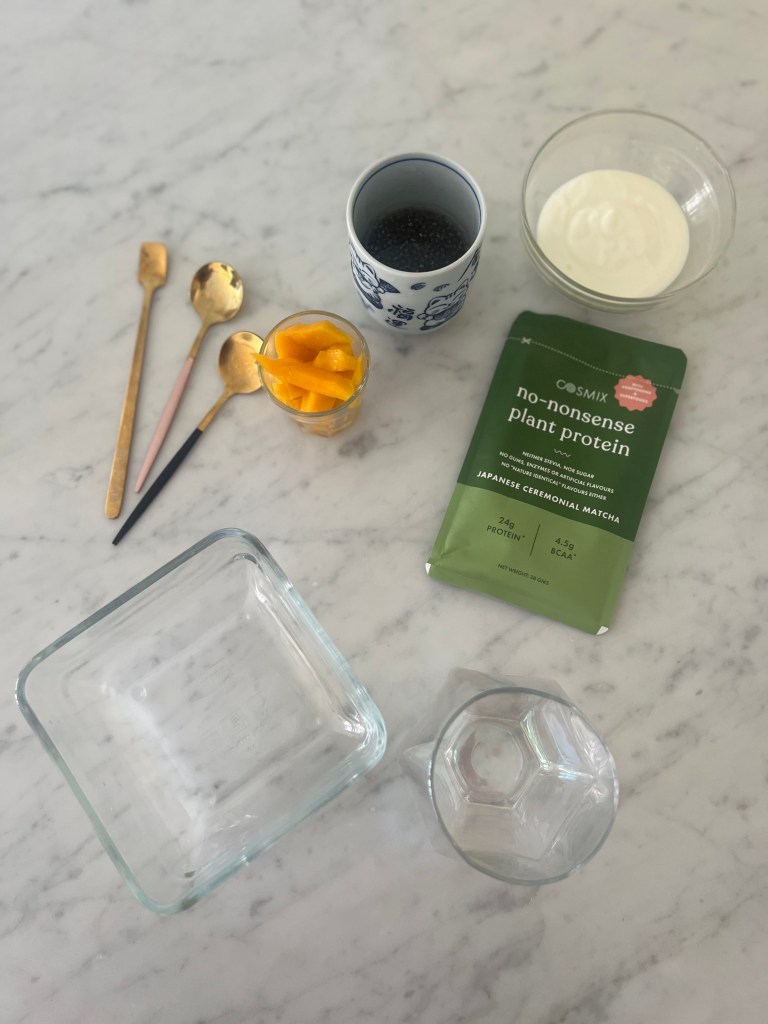
  • 38g Japanese ceremonial Matcha No nonsense  Plant Protein Powder
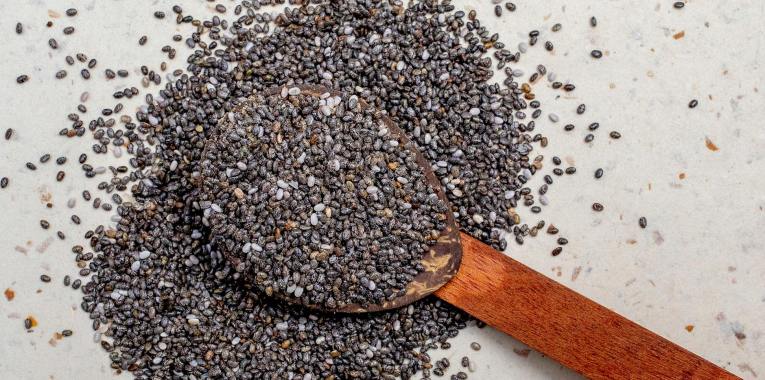
  • 3 tbsp Soaked Chia Seeds
  • 150g Low-Fat Greek Yogurt
  • Chopped Mangoes

Instructions:

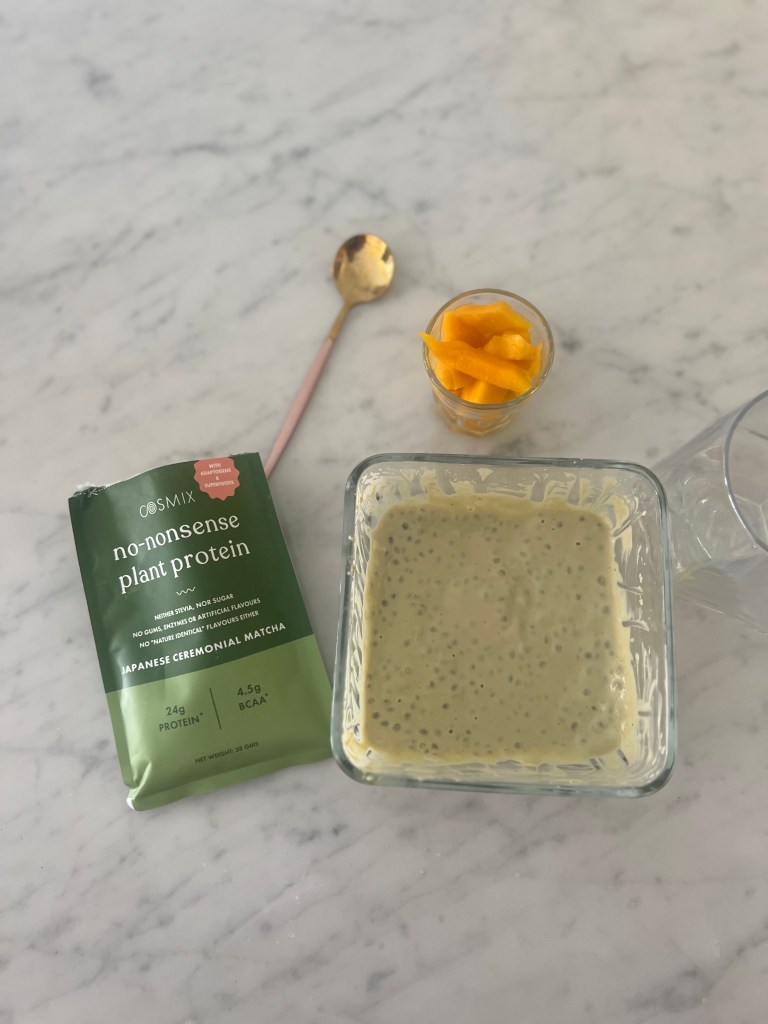
  1. In a bowl, mix the Matcha Vegan Plant Protein Powder,  Low-Fat Greek Yogurt until well combined. Pro tip – Use a frother to make it smooth and clump free.
  2. Gently fold in the soaked chia seeds, ensuring they’re evenly distributed throughout the mixture.
  3. Divide the pudding mixture into two serving glasses or bowls.
  4. Refrigerate for at least 30 minutes to allow the flavors to meld together and the chia seeds to thicken further.
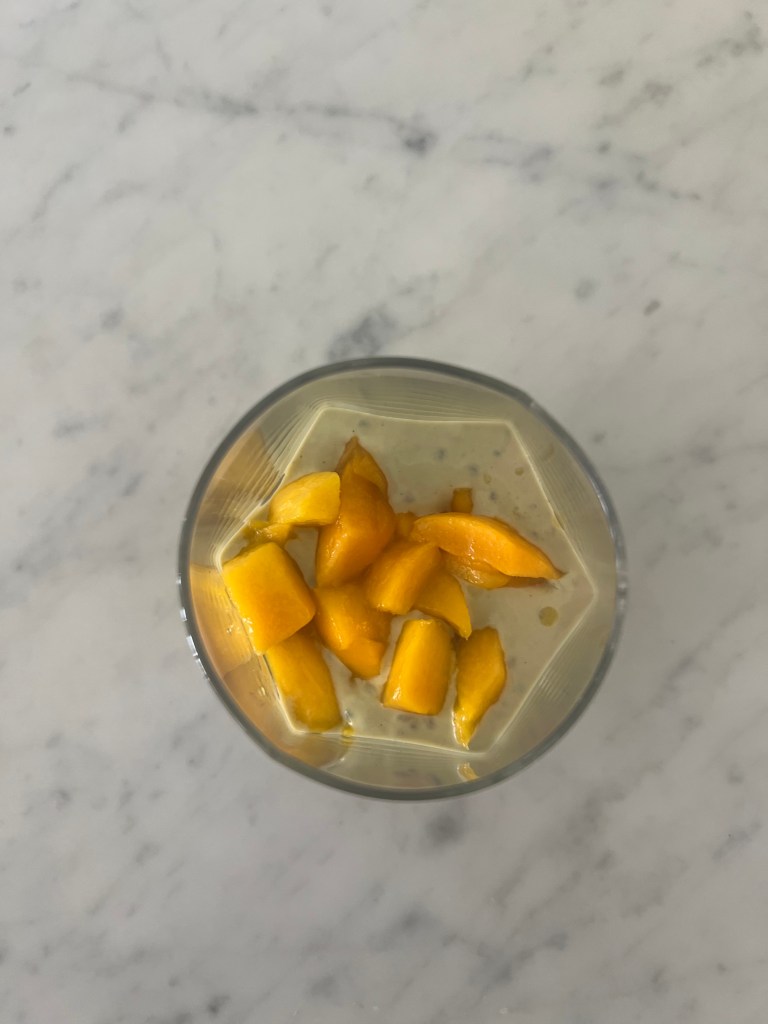
  5. Once chilled, garnish with chopped mangoes or a sprinkle of matcha powder if desired.
  6. Enjoy your Mango Matcha Protein Chia Pudding as a nutritious breakfast, satisfying snack, or guilt-free dessert!

Total Macronutrient Breakdown for the Recipe:

  • Protein: Approximately 44.5 grams
  • Carbohydrates: Approximately 39 grams
  • Fiber: Approximately 13.5 grams
  • Fat: Approximately 13 grams

These calculations provide a rough estimate of the macronutrient content in the recipe. Depending on the specific brands and variations of the ingredients used, the actual nutritional values may vary slightly.
If you are looking to add a no-nonsense protein powder into your supplement routine, try it out here,

https://cosmix.in/?ref=cOM3V2aJ73zFT0

You may enter my unique code SANGAMITHRA to enjoy a discount on your purchase. 
3 High Protein recipes that aren’t just eggs!

Over 30gm of protein in each meal, done & ready for you…

1. Vegan Protein Smoothie with Pea Protein Powder

Ingredients:

  • 1 scoop pea protein powder (30g): Approximately 120 calories, 24g protein, 2g carbohydrates, 2g fat
  • 1 cup unsweetened almond milk: Approximately 30 calories, 1g protein, 1g carbohydrates, 2.5g fat
  • 1 tablespoon almond butter: Approximately 95 calories, 3g protein, 3g carbohydrates, 8g fat
  • 1/2 frozen banana: Approximately 50 calories, 1g protein, 13g carbohydrates, 0g fat
  • 1/2 cup frozen mixed berries: Approximately 40 calories, 0.5g protein, 9g carbohydrates, 0g fat
  • 1 handful spinach: Approximately 10 calories, 1g protein, 1g carbohydrates, 0g fat
  • Optional: 1 tablespoon chia seeds for extra protein and fiber

Instructions:

  • Blend all ingredients together until smooth.
  • Adjust thickness by adding more almond milk or ice cubes if desired.
  • Pour into a glass and enjoy!

Nutritional Content:

  • Calories: Approximately 345
  • Protein: Over 30g
  • Carbohydrates: Approximately 27g
  • Fat: Approximately 12.5g
Photo by Leah Rolando on Pexels.com

High-Protein Tofu Salad 

Ingredients:

  • 200g extra firm tofu, drained and cubed: 180 calories, 20g protein, 4g carbohydrates, 10g fat
  • 2 cups mixed salad greens: 20 calories, 2g protein, 4g carbohydrates, 0g fat
  • 1/4 cup sliced cucumber: 4 calories, 0g protein, 1g carbohydrates, 0g fat
  • 1/4 cup cherry tomatoes, halved: 8 calories, 0g protein, 2g carbohydrates, 0g fat
  • 1/4 cup shredded carrots: 12 calories, 0g protein, 3g carbohydrates, 0g fat
  • 2 tablespoons balsamic vinaigrette dressing: 60 calories, 0g protein, 6g carbohydrates, 4g fat
  • Optional: 1 tablespoon pumpkin seeds for added protein and crunch

Instructions:

  • In a non-stick pan, sauté tofu cubes until golden brown.
  • In a large bowl, toss together tofu, salad greens, cucumber, cherry tomatoes, and shredded carrots.
  • Drizzle with balsamic vinaigrette dressing and toss to coat.
  • Top with pumpkin seeds if desired.
  • Serve and enjoy!

Nutritional Content:

  • Calories: Approximately 284
  • Protein: Over 30g
  • Carbohydrates: Approximately 20g
  • Fat: Approximately 14g
Photo by Valeria Boltneva on Pexels.com

Paneer Stir-Fry with Vegetables

Ingredients:

  • Paneer (200g):
    • Calories: 360
    • Protein: 30g
    • Carbohydrates: 8g
    • Fat: 24g
  • Mixed Vegetables (200g, such as bell peppers, broccoli, carrots):
    • Calories: Approximately 80
    • Protein: Approximately 4g
    • Carbohydrates: Approximately 16g
    • Fat: Approximately 0.5g
  • Olive Oil (1 tablespoon):
    • Calories: 120
    • Protein: 0g
    • Carbohydrates: 0g
    • Fat: 14g
  • Ginger-Garlic Paste (1 tablespoon):
    • Calories: 15
    • Protein: 0g
    • Carbohydrates: 3g
    • Fat: 0g
  • Spices (Turmeric, Cumin, Coriander, Paprika, Garam Masala, Salt):
    • Negligible calorie content

Instructions:

  • Cut paneer into cubes and set aside.
  • Heat olive oil in a pan over medium heat. Add ginger-garlic paste and sauté for a minute.
  • Add mixed vegetables to the pan and stir-fry until they are slightly tender.
  • Push the vegetables to one side of the pan and add paneer cubes to the other side. Cook until paneer is golden brown on all sides.
  • Mix the paneer and vegetables together in the pan.
  • Sprinkle turmeric, cumin, coriander, paprika, garam masala, and salt over the paneer and vegetable mixture. Stir well to coat evenly.
  • Cook for another 2-3 minutes until the flavours meld together.
  • Serve hot and enjoy!

Nutritional Content (per serving):

  • Calories: Approximately 290
  • Protein: 30g
  • Carbohydrates: Approximately 14g
  • Fat: Approximately 19g

This paneer stir-fry with vegetables provides a satisfying and nutritious dinner option for vegetarians, with each serving containing 30g of protein and less than 300 calories per serving. You may serve it with a side of quinoa or rice. Adjust portion sizes according to individual dietary preferences and requirements.

Photo by Polina Tankilevitch on Pexels.com

Gut Reset Program + 3 Gut Health protecting Nutrition Tips

The Gut Reset is a Simple
‍3 Part Program To Reset Your Microbiome.

A Healthy Gut = A Healthy Life

By resetting the balance of bacteria in your gut, you can improve your digestive health, better your general health, and decrease your risk of developing chronic diseases.

A healthy Gut Microbiome means a healthy gut which keeps you feeling energised, alert, healthy and happy, yes those gut bugs of yours play a huge role in brain health too.

Gut health matters

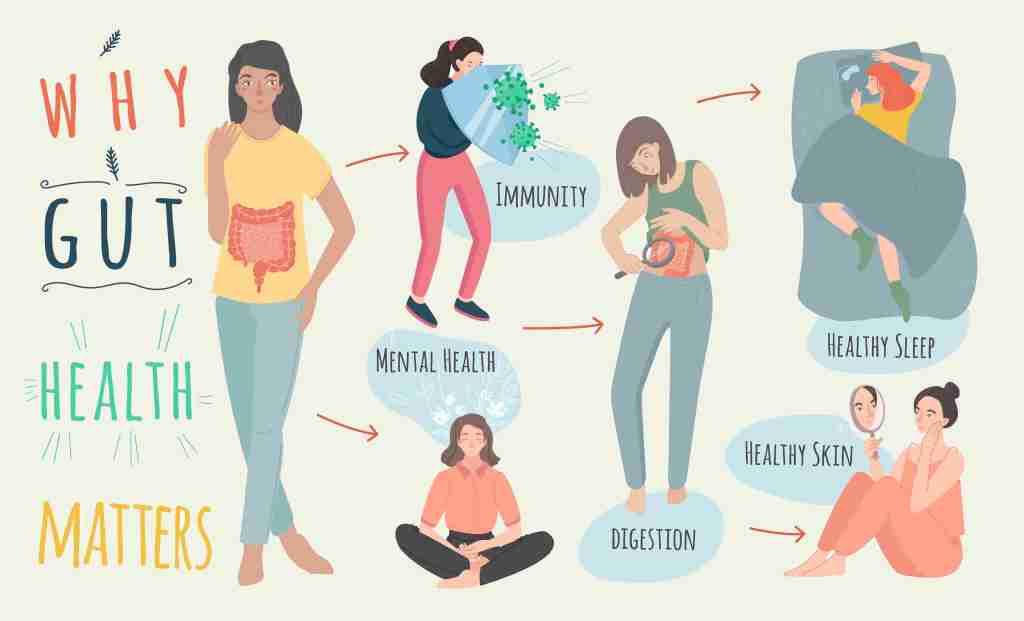
Here at Sangamithra GV Nutrition, we believe in order to feel your best, your gut and the trillions of bacteria in there (the microbiome) need to be healthy. If the gut is unhealthy, every aspect of overall health can become compromised from immunity or hormonal health to skin quality and mental health. 

 Eating the right foods will help keep your gut microbiome healthy — which is instrumental to your overall health. An eating guide designed for your microbiome and a tailored meal plan to nourish your gut bacteria will make sure you are well equipped during and after the program.

Your gut microbiome  is made up of trillions of bacteria and other microorganisms — both friendly and unfriendly.Maintaining the right balance of friendly and unfriendly bacteria in your gut is touted to improve digestion, reduce inflammation, decrease anxiety, as well as improve brain function and mood.

A healthy balance of gut bacteria can help boost metabolism, eliminate cravings, and help you shed unwanted weight. A precise probiotic supplementation routine planned according to your microbiome analysis report will be made available to you after the consult session.

How can we protect our gut’s health?

Changing our diets can have a positive impact on our gut bacteria. This can happen as quickly as 3-6 months after implementation.

Diet-wise, here are 3 simple things that you can do

1.Eat foods rich in polyphenols– they are also rich in fiber and plant-based molecules which travel into your intestines where microbes use them for fuel. Foods that are rich in polyphenols, such as dark chocolate, have anti-inflammatory properties, decrease blood pressure and cholesterol levels and decrease cellular stress. Other foods rich in polyphenols include, red grapes, onions, blueberries, almonds and green tea.

2. Limit Artificial Sweeteners – Research studies with animals have found artificial sweeteners to have a negative effect on the microbiome. Rats given aspartame had increased blood sugars and were unable to use the insulin their bodies made properly. Another human trial showed the same blood sugar increase. For gut health improvement, it may be best to avoid artificial sweeteners altogether.

3. Eat more whole grains, nuts, load up on veggies, beans and fresh fruits

Here is yet another reason to eat fresh, whole foods. Barley, oats, quinoa, wholegrain rice, and other whole grains have fiber that we need to bulk up our intestines and help things to move through.

Whole grains then become a type of feed for the bacteria inhabiting the microbiome. It may sound strange that we have all these minute bacteria floating around in there, but they keep things running smoothly. Like clockwork.

Eating more whole grains has been shown to increase the types and numbers of bacteria in our gut, therefore improving gut diversity. The same is true of nuts, so pick up a variety of walnuts, pecans, pistachios or almonds, remembering that a serving is what fits into the palm of your hand.

Whole, fresh vegetables, beans and legumes, and a variety of fresh fruits provide good nutrition for the bacteria in our gut. Shop at your local markets for fresh, whole foods in season and prepare your microbiome for your locale.

Work with Singapore’s Gut Health Nutritionist who has helped over 180 clients, just like you with proven results.

Sangamithra GV is a Gut Health specialist Nutritionist & Dietitian and Founder of ‘ Gut Reset Program’

Our 3 part Gut Reset Program includes,

  • Gut health Questionnaire & Personalised Eating Guide
  • Microbiome Analysis test
  • 60 minute in-depth Nutrition consult with a Tailored Meal Plan & Probiotic supplementation for building your biome.

For more information on pricing and to get on our pre launch waitlist, please email us at hello@sangamithragv.com

5 Easy Breakfasts – Each over 30grams of Protein

Sangamithra GV

Have you wondered how a protein -rich breakfast can set the right tone for your day, where there are no pesky sugar cravings, no standing in front of your snack cupboard, no coffees in-between and getting you to lunch time safe and sound? Yeah.. that’s the dream. Here are five compelling reasons to consider…

Photo by Madison Inouye on Pexels.com
  1. Boosts muscle mass & strength – Consuming adequate protein at breakfast provides your body with teh essential building blocks it needs to support muscle growth and repair, enhancing overall muscle mass and strength.
  2. Provides energy – Protein rich foods contain amino acids that serve as a sustainable source of energy, providing you with the fuel needed to power through your morning activities without experiencing frequent energy crashes.
  3. Balances your hormones -Protein plays a key role in regulating hormone levels, including insulin & gherlin, which are involved in appetite control & metabolism.
  4. Boosts metabolism – Eating a protein rich breakfast can kickstart your metabolism & increase the thermic effect of food, leading to potentially increased calorie burning throughout the day.
  5. Reduces appetite & hunger levels – Protein is known for it’s ability to increase feelings of fullness & satiety, helping to curb cravings & prevent overeating throughout the day.

Here are 5 protein based breakfast ideas to get you started,

  1. Smoothie – with 30gm of protein by adding 1 -1.5 scoops of your favourite protein powder, 1 cup of frozen berries, 2 cups of spinach and 1 tbsp chia seeds. Blend & done!
  2. Greek yogurt bowl – 1.5 cups of greek yogurt, 1 cup frozen berries, 1 tbsp chia seeds, a drizzle of honey / maple syrup / nut / seed butter on top.
  3. Cottage cheese eggs – 2 eggs, 1/2 cup cottage cheese scrambled in a pan, add fresh herbs and seasonings of choice for garnish.
  4. Cottage cheese berry bowl – 1 cup of cottage cheese with 1 cup of frozen berries, chia seeds sprinkled for a fiber boost.
  5. Tofu scramble – 1 & 1/2 cups of non GMO firm tofu crumbled into a pan with some extra virgin olive oil, 2 tbsp nutritional yeast, sauce for 3-5 minutes, add in a mix of your favourite veggies and seasonings. Tadaa!

Happy breakfast-ing!

Unlocking the Power of Plant Protein Powder: Why it’s the Future of Protein Supplements

Sangamithra GV

In a world where health-conscious consumers are seeking sustainable and nutritious alternatives, plant protein powder has emerged as a game-changer in the realm of protein supplementation. But what sets plant protein powder apart from traditional protein supplements, and why is it poised to become the go-to choice for individuals looking to boost their protein intake? Let’s delve into the transformative qualities of plant protein powder and explore why it’s paving the way for the future of protein supplementation.

Photo by Charlotte May on Pexels.com

1. Superior Digestibility and Absorption Capability

One of the standout features of plant protein powder is its exceptional digestibility and absorption capability. Unlike some animal-based protein sources that may be hard on the digestive system, plant protein powder is gentle on the stomach, making it ideal for individuals with sensitive digestive systems or dietary restrictions. This means you can enjoy your protein shake without worrying about bloating or discomfort, allowing for better overall digestion and nutrient absorption.

2. Nutritional Powerhouse

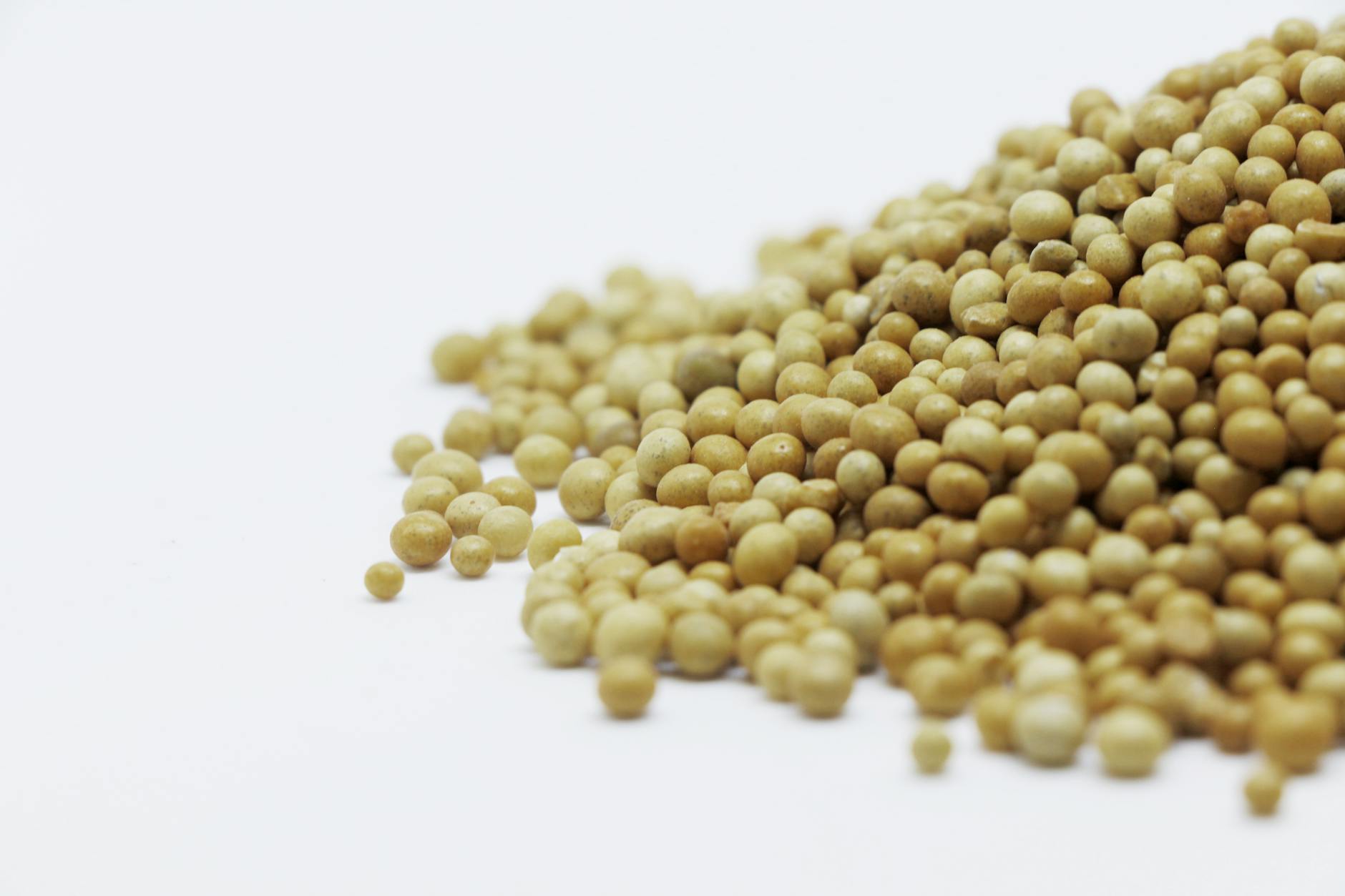
Plant protein powder is not just a source of protein; it’s a nutritional powerhouse packed with essential vitamins, minerals, and antioxidants. Take pea protein powder, for example. Made from yellow peas, pea protein powder offers a complete amino acid profile, making it a valuable source of muscle-building protein. Additionally, plant protein powders are naturally cholesterol-free and low in saturated fat, making them a heart-healthy choice for individuals looking to optimise their diet.

Photo by Rodolpho Zanardo on Pexels.com

3. Comprehensive Amino Acid Profile

Contrary to popular belief, plant protein powder offers a comprehensive amino acid profile that rivals that of animal-based protein sources. By combining different plant protein sources, such as pea, rice, and hemp, manufacturers can create protein powders that provide all nine essential amino acids your body needs for muscle repair, growth, and overall health. This ensures that you’re getting the building blocks necessary to support your fitness goals and maintain optimal health.

4. For Everyone, Not Just Gym Enthusiasts

Plant protein powder is breaking free from the stereotype of being solely for “gym bros.” It’s a versatile and accessible protein source that can benefit anyone looking to increase their protein intake. Whether you’re a busy professional, an active parent, or simply someone who wants to prioritise their health, plant protein powder offers a convenient and sustainable solution. Plus, with the growing demand for plant-based alternatives, plant protein powder aligns with a variety of dietary preferences and lifestyles.

Photo by Karolina Grabowska on Pexels.com

5.Taste and Texture

Gone are the days when plant protein powder was synonymous with gritty texture and  unpleasant tastes. Thanks to advancements in food technology and formulation, plant-based protein powders now come in a variety of delicious flavours and smooth textures. From creamy vanilla to rich chocolate to delightful strawberry to Japanese matcha, there’s a plant protein powder flavour to suit every palate.

Photo by Charlotte May on Pexels.com

In summary, here are five reasons why you should consider making the switch to plant protein powder:

  • Excellent digestibility and absorption capability.
  • Delicious taste and smooth texture.
  • High nutritional quality, including essential vitamins and minerals.
  • Comprehensive amino acid profile for muscle repair and growth.
  • Versatile and suitable for everyone, regardless of lifestyle or dietary preferences.

Plant protein powder represents the future of protein supplementation, offering superior digestibility, delightful taste, nutritional richness, and versatility for all. Whether you’re blending up a post-workout smoothie or adding a scoop to your morning oats, plant protein powder provides the protein boost you need to thrive. Say hello to a healthier, more sustainable future with plant protein powder by your side.

Gut Lovin’ Granola

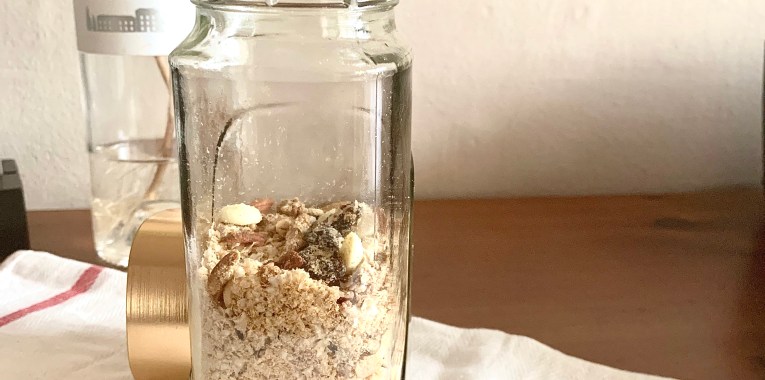
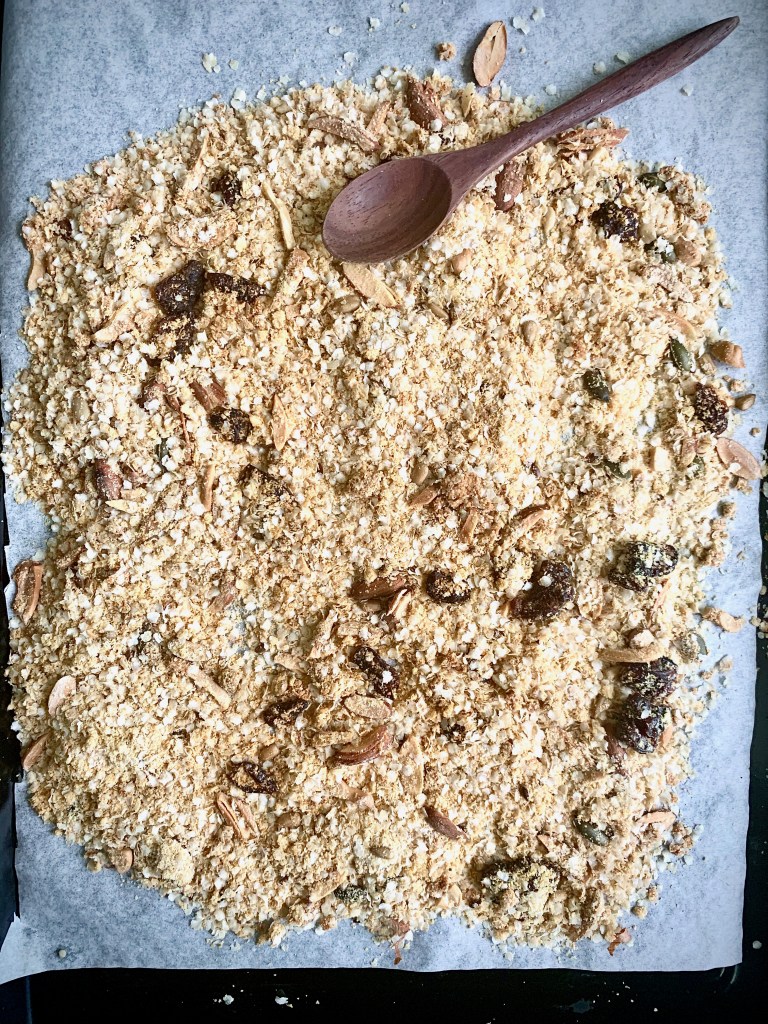
What’s inside – Quinoa flakes, moreish white chocolate chips & activated nuts & seeds
Right out of the Oven

The good bacteria in your gut will thank you for this yummy breakfast treat. A simple recipe with chock full of gut friendly ingredients, well, except for the white chocolate chips which I have to admit are a bit naughty.

This granola is perfect for oat intolerance & the activated nuts & seeds take it up a notch to ensure proper digestion.

Gut Lovin’ Granola

Author : Sangamithra GV, ANS – Dietitian

Prep time : 15 min

Cook time : 30 min

Ingredients:

Quinoa flakes – 1 cup or 250 gm

Activated almonds – 1/4 cup

Activated cashews – 1/4 cup

Activated sunflower seeds – 1/4 cup

Activated pumpkin seeds – 1/4 cup

Chia seeds – 2 tbsp

Dried cranberries – 1/4 cup

White chocolate chips – 2 tbsp

Maple syrup – 3-4 tbsp ( adjust quantities based on preference)

Ground cinnamon – two pinches

Salt – a pinch

Vanilla extract – 1 tsp

Extra Virgin coconut oil – 2tbsp

Method:

  1. Preheat oven to 160 degree C and line a baking tray with baking paper
  2. Roughly chop the activated nuts and seeds
  3. In a clean and dry bowl, combine dry ingredients and add the wet ingredients to it. Combine well to ensure uniform coating.
  4. Spread this mixture on the baking tray, making sure you are pressing it firmly to help the granola stick together & get crunchy.
  5. Cook for 12-18 minutes ( depending on the heat distribution in your oven) or until the mixture turns slightly golden. Keep an eye on the tray as it is easy to burn a granola mix.
  6. Take out of the oven and set aside to cool.
  7. Once cooled, break apart and store in an airtight container for uptown 2 weeks.
  8. Serve with milk or yogurt & fruit of choice.

🥝 Kiwi for clean bowels 🥝

How the humble Kiwi Fruit may hold a ‘key’ for constipation relief

By, Sangamithra GV

Constipation is a common condition that affects 1 in 7 people. In people with IBS , constipation is one of the key symptoms that affects almost half of all patients. Use of prolonged medication, gut motility changes, imbalances in gut microbiota, inadequate fiber intake, slow intestinal transit are all contributing factors. Common treatment strategies are fiber modification, exercise, medications, bio-feedback techniques and probiotics[1].

A simple & effective answer to easing constipation might involve eating 2 kiwifruits in day.

Many studies have examined the consumption of kiwi fruit in managing Constipation & constipation dominant IBS. For example, one study conducted in healthy adults and those with constipation predominant IBS showed that eating 2 green kiwifruit per day for 4 weeks increased defecation frequency and reduced colonic transit time[2]. Another study in healthy, elderly people without IBS showed that daily consumption of green kiwifruit (100g kiwifruit per 30kg body weight) lead to bulkier, softer and more frequent stools[3]. Similar results were observed in a non-randomized observational study that included adults with constipation. In this study it was observed that daily consumption of 2 green kiwifruit lead to improvements complete spontaneous bowel motions, reductions in laxative use and improvements in satisfaction with bowel habit[4]. Most Importantly, in all of these studies, kiwifruits exerted their benefits without causing any side effects.

What is in the ‘kiwifruit’ that may reduce constipation & improve bowel movements?

A number of potential theories, for example, the fiber component of kiwifruit is thought to have a particularly high water holding capacity and that this may facilitate stool bulking and promote a laxative effect. Animal studies also suggest that the enzyme, Actinidin may play a role in promoting laxation, although human studies are yet to confirm these effects[5-7].

We may still not be sure of the exact mechanism on how kiwi works but they’re a safe & effective treatment option. As an added bonus, they are certified LOWFODMAP fruit & hence can be consumed by IBS patients. They’re also healthy, loaded with Vitamin C & relatively inexpensive, which makes them a great addition to your everyday diet.

References

  1. Ford, A.C., et al., American college of gastroenterology monograph on the management of irritable bowel syndrome and chronic idiopathic constipation. Am J Gastroenterol, 2014. 109 Suppl 1: p. S2-S26.
  2. Chang, C.C., et al., Kiwifruit improves bowel function in patients with irritable bowel syndrome with constipation. Asia Pac J Clin Nutr, 2010. 19(4): p. 451-7.
  3. Rush, E.C., et al., Kiwifruit promotes laxation in the elderly. Asia Pac J Clin Nutr, 2002. 11(2): p. 164-8.
  4. Chan, A.O., et al., Increasing dietary fiber intake in terms of kiwifruit improves constipation in Chinese patients. World J Gastroenterol, 2007. 13(35): p. 4771-5.
  5. Pastorello, E.A., et al., Identification of actinidin as the major allergen of kiwi fruit. J Allergy Clin Immunol, 1998. 101(4 Pt 1): p. 531-7.
  6. Boland, M. J. (2013). Kiwifruit proteins and enzymes: actinidin and other significant proteins. In: Advances in Food and Nutrition Research: Nutritional Benefits of Kiwifruit, pp. 59–80. Boland, M. and Moughan, P. J. (Eds.), Academic Press, Amsterdam, The Netherlands. .

TOP 5 PROBIOTIC INDIAN FOODS

By, Sangamithra GV

Probiotic rich traditional Indian foods that you should be eating to boost gut health.

What are probiotics?

Probiotics are the ‘good bacteria’ among trillion other microorganisms that live in your gut. They help to promote a better digestive & immune health . Good bacteria make these benefits happen because they play a important role in balancing between the helpful & harmful bacteria present in the gut.

TOP 5 PROBIOTIC RICH INDIAN FOODS

These traditional Indian probiotic rich foods can boost microbiome diversity & lead to better gut health outcomes.

  1. IDLI

A fermented rice & lentil steamed cake, idli is a breakfast staple in many parts of south India. A combination of rice & urad dal (lentils) are ground into a batter & left to ferment as a first step. Idli has been found to have beneficial strains of Lactic Acid Bacteria. They help in forming bacterial colonies that produce Vitamin B12, an important co-factor for many important body functions. The probiotic strains isolated from fermented idli batter have also been studied to test their resistance to low pH & acid heavy environment in the digestive system and were found to have a good viability.

2. CURD/YOGURT

A satisfying Indian meal is never complete without curd/dahi/yogurt/thayir. Being a calcium & protein rich source, it is an important part of vegetarian diets. Yogurt cultures contain lactobacillus bulgaricus & streptococcus thermophilus which are most commonly attributed to it’s benefits. Homemade yogurt or curd made at home contain live bacteria that are part of the starter culture, they help to boost digestive health functions & in replenishing good gut bacteria. A study had IBS patients regularly consume yogurt rich in bifidobacteria for six weeks and reported improvements in bloating & bowel movement frequency, two common symtms faced by IBS sufferers.

3. KANJI

Kanji is a ready to serve fermented drink made from seasonal red carrots, popular in the northern states of India. It is a nutritionally rich beverage that relies on spontaneous fermentation methods & contain beneficial microorganisms in the gastrointestinal tract that inturn boost anti-microbial activity in the gut. Beneficial strains in kanji include, lactobacillus, bifidobacterium, streptococcus & enterococcus.

4. DHOKLA

A popular gujarati snack / breakfast food, dhokla is made from fermenting a mixture of chickpea flour & yogurt and steamed to spongy perfection. Lactic acid bacteria rich Fermented dhoklas have been studied for their anti-oxidant activity and were found to be helpful in reducing oxidative stresses.

5. RAGI PORRIDGE

Fingermillet, or ragi porridge is a summer staple in south India. The addition of ‘buttermilk’ kick starts the fermentation process and greatly enhances the bio availability of vitamins like thiamine, riboflavin & trace minerals. A calcium rich & low – resistant starch food, ragi porridge is ‘the perfect breakfast food’ for adults & children alike.The dominant microorganisms responsible for the fermentation of finger millet are Leuconostoc  mesenteroides, Lactobacillus fermentum and S. faecalis.