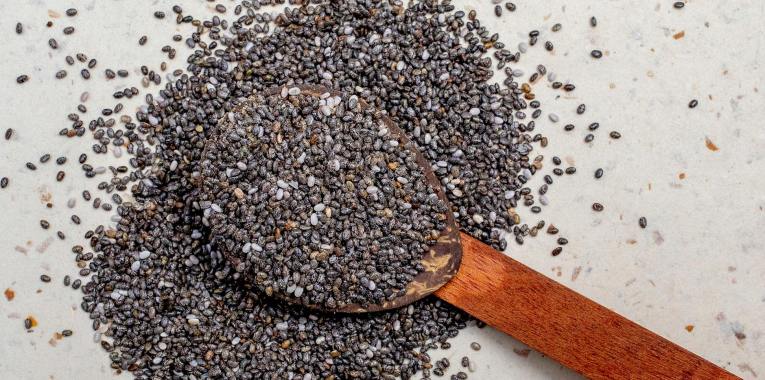
Mango ~Matcha Protein Chia Pud

Sangamithra GV

In this busy & bustling world we live in, finding a breakfast option that’s both nutritious and delightful can feel like striking gold. Look no further! Today, we’re sorting your fiber + protein formula with this  Mango Matcha Protein Chia Pudding – a vibrant fusion of flavours and wholesome goodness that’ll kickstart your day with a burst of energy.
Unlocking the Power of Matcha Vegan Plant Protein Powder

Imagine a product that seamlessly combines the antioxidant-rich essence of Japanese ceremonial matcha with the muscle-building prowess of vegan plant protein powder – that’s exactly what we’re talking about here! This versatile powder isn’t just for smoothies; it’s a game-changer in the realm of healthy desserts and snacks. And guess what? With a remarkable 24 grams of protein packed into every 38 grams of powder, it’s a powerhouse of nutrition that’ll keep you fuelled and focused throughout the day.

Embracing the Fiber-Rich Goodness of Mangoes

Let’s talk about mangoes – nature’s candy that’s not only delicious but also brimming with fiber and essential nutrients. By incorporating these juicy gems into our lovely breakfast we’re not just adding a burst of tropical flavour; we’re also boosting it’s fiber content, keeping your digestive system happy and your cravings at bay. And here’s the best part – no added sugars! It’s a guilt-free indulgence that your taste buds and your body will thank you for.
Recipe:

Mango Matcha Protein Chia Pudding

Serves 2 

Ingredients:

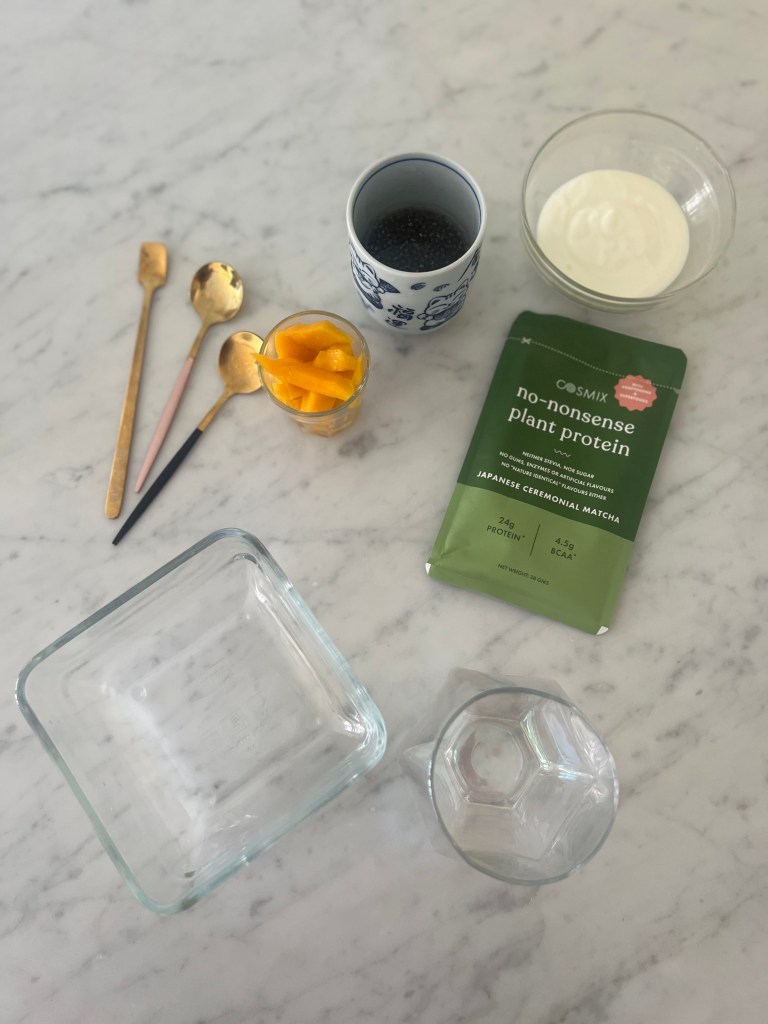
  • 38g Japanese ceremonial Matcha No nonsense  Plant Protein Powder
  • 3 tbsp Soaked Chia Seeds
  • 150g Low-Fat Greek Yogurt
  • Chopped Mangoes

Instructions:

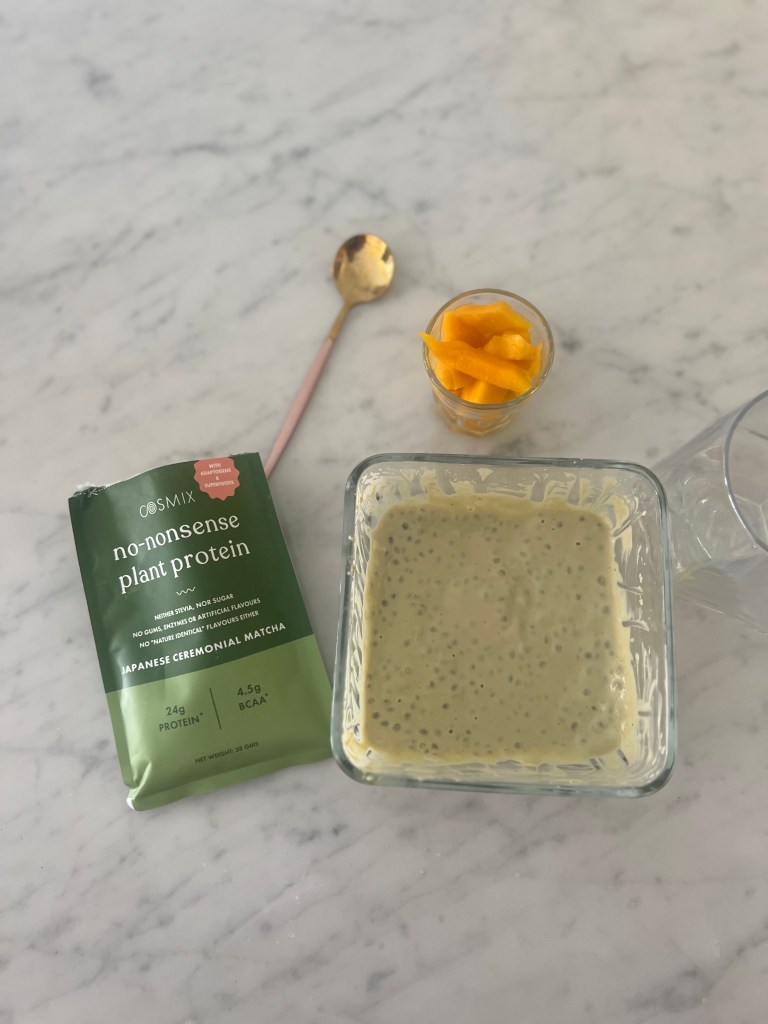
  1. In a bowl, mix the Matcha Vegan Plant Protein Powder,  Low-Fat Greek Yogurt until well combined. Pro tip – Use a frother to make it smooth and clump free.
  2. Gently fold in the soaked chia seeds, ensuring they’re evenly distributed throughout the mixture.
  3. Divide the pudding mixture into two serving glasses or bowls.
  4. Refrigerate for at least 30 minutes to allow the flavors to meld together and the chia seeds to thicken further.
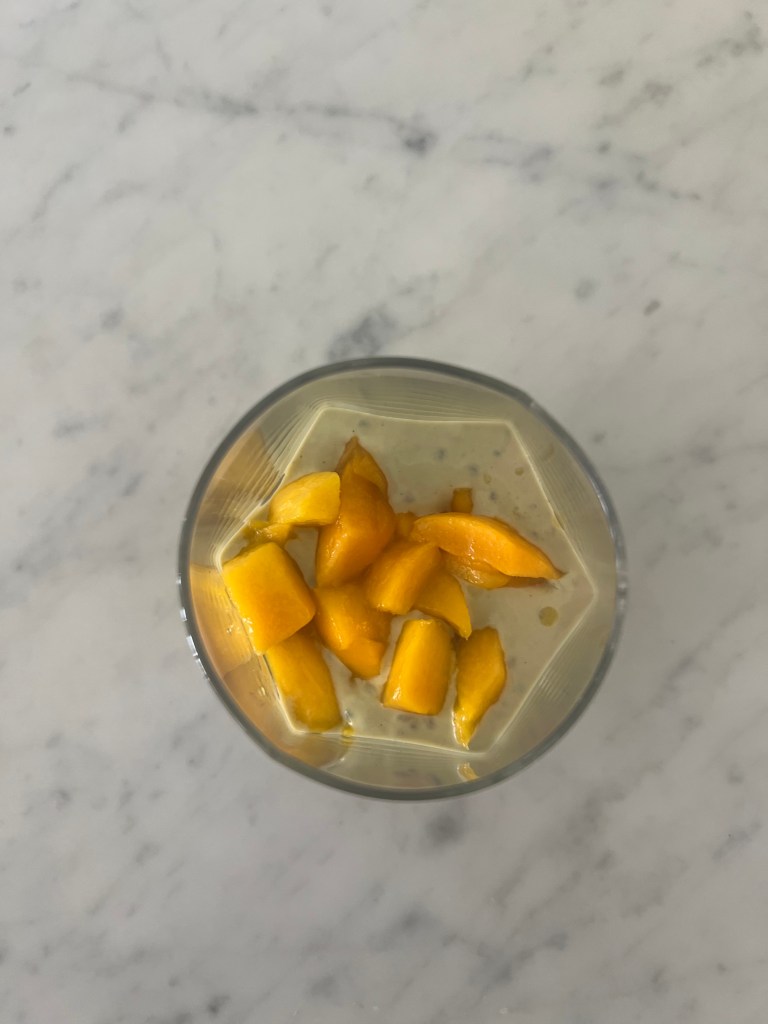
  5. Once chilled, garnish with chopped mangoes or a sprinkle of matcha powder if desired.
  6. Enjoy your Mango Matcha Protein Chia Pudding as a nutritious breakfast, satisfying snack, or guilt-free dessert!

Total Macronutrient Breakdown for the Recipe:

  • Protein: Approximately 44.5 grams
  • Carbohydrates: Approximately 39 grams
  • Fiber: Approximately 13.5 grams
  • Fat: Approximately 13 grams

These calculations provide a rough estimate of the macronutrient content in the recipe. Depending on the specific brands and variations of the ingredients used, the actual nutritional values may vary slightly.
If you are looking to add a no-nonsense protein powder into your supplement routine, try it out here,

https://cosmix.in/?ref=cOM3V2aJ73zFT0

You may enter my unique code SANGAMITHRA to enjoy a discount on your purchase. 

Unlocking the Power of Plant Protein Powder: Why it’s the Future of Protein Supplements

Sangamithra GV

In a world where health-conscious consumers are seeking sustainable and nutritious alternatives, plant protein powder has emerged as a game-changer in the realm of protein supplementation. But what sets plant protein powder apart from traditional protein supplements, and why is it poised to become the go-to choice for individuals looking to boost their protein intake? Let’s delve into the transformative qualities of plant protein powder and explore why it’s paving the way for the future of protein supplementation.

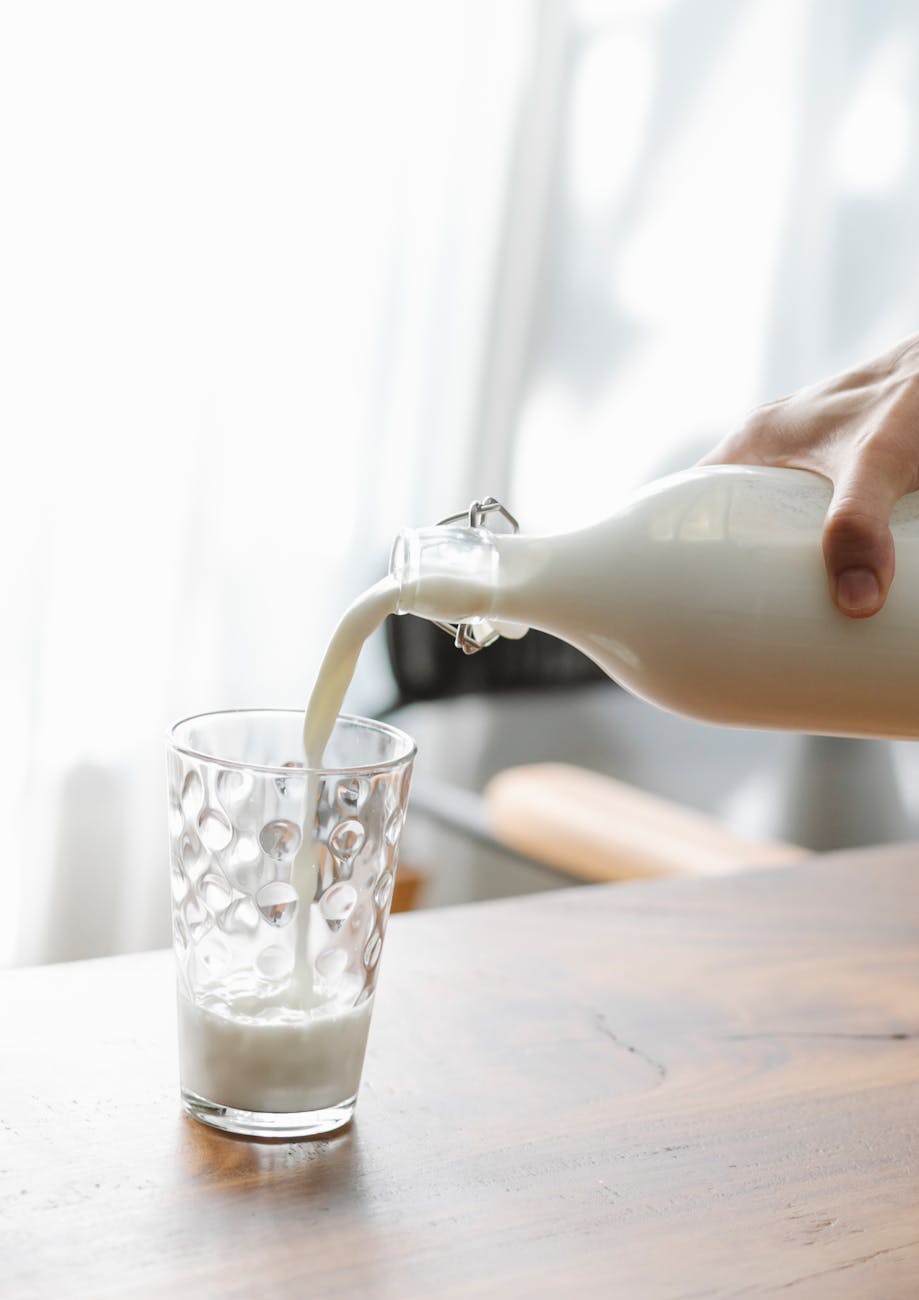
Photo by Charlotte May on Pexels.com

1. Superior Digestibility and Absorption Capability

One of the standout features of plant protein powder is its exceptional digestibility and absorption capability. Unlike some animal-based protein sources that may be hard on the digestive system, plant protein powder is gentle on the stomach, making it ideal for individuals with sensitive digestive systems or dietary restrictions. This means you can enjoy your protein shake without worrying about bloating or discomfort, allowing for better overall digestion and nutrient absorption.

2. Nutritional Powerhouse

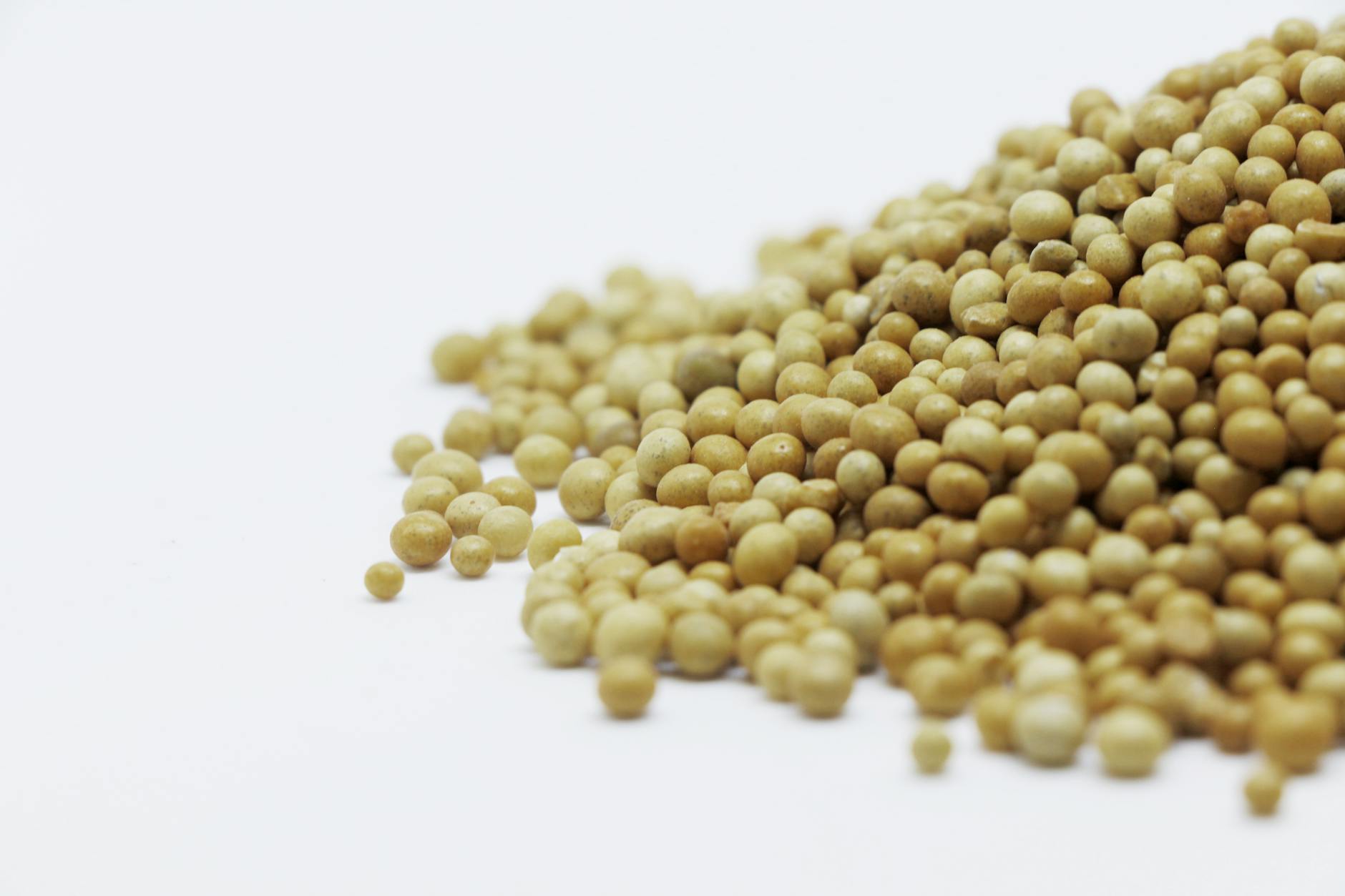
Plant protein powder is not just a source of protein; it’s a nutritional powerhouse packed with essential vitamins, minerals, and antioxidants. Take pea protein powder, for example. Made from yellow peas, pea protein powder offers a complete amino acid profile, making it a valuable source of muscle-building protein. Additionally, plant protein powders are naturally cholesterol-free and low in saturated fat, making them a heart-healthy choice for individuals looking to optimise their diet.

Photo by Rodolpho Zanardo on Pexels.com

3. Comprehensive Amino Acid Profile

Contrary to popular belief, plant protein powder offers a comprehensive amino acid profile that rivals that of animal-based protein sources. By combining different plant protein sources, such as pea, rice, and hemp, manufacturers can create protein powders that provide all nine essential amino acids your body needs for muscle repair, growth, and overall health. This ensures that you’re getting the building blocks necessary to support your fitness goals and maintain optimal health.

4. For Everyone, Not Just Gym Enthusiasts

Plant protein powder is breaking free from the stereotype of being solely for “gym bros.” It’s a versatile and accessible protein source that can benefit anyone looking to increase their protein intake. Whether you’re a busy professional, an active parent, or simply someone who wants to prioritise their health, plant protein powder offers a convenient and sustainable solution. Plus, with the growing demand for plant-based alternatives, plant protein powder aligns with a variety of dietary preferences and lifestyles.

Photo by Karolina Grabowska on Pexels.com

5.Taste and Texture

Gone are the days when plant protein powder was synonymous with gritty texture and  unpleasant tastes. Thanks to advancements in food technology and formulation, plant-based protein powders now come in a variety of delicious flavours and smooth textures. From creamy vanilla to rich chocolate to delightful strawberry to Japanese matcha, there’s a plant protein powder flavour to suit every palate.

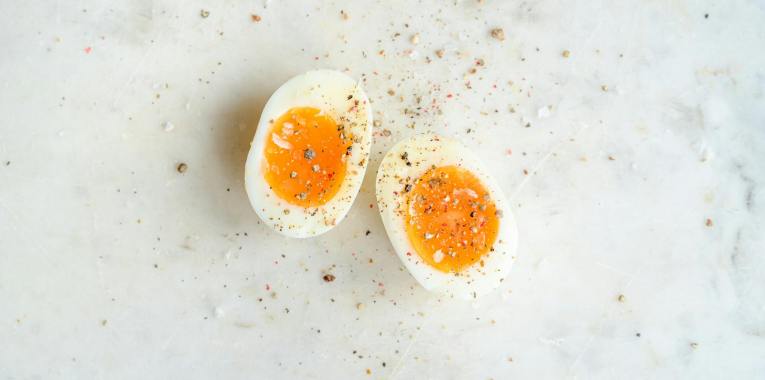
Photo by Charlotte May on Pexels.com

In summary, here are five reasons why you should consider making the switch to plant protein powder:

  • Excellent digestibility and absorption capability.
  • Delicious taste and smooth texture.
  • High nutritional quality, including essential vitamins and minerals.
  • Comprehensive amino acid profile for muscle repair and growth.
  • Versatile and suitable for everyone, regardless of lifestyle or dietary preferences.

Plant protein powder represents the future of protein supplementation, offering superior digestibility, delightful taste, nutritional richness, and versatility for all. Whether you’re blending up a post-workout smoothie or adding a scoop to your morning oats, plant protein powder provides the protein boost you need to thrive. Say hello to a healthier, more sustainable future with plant protein powder by your side.

3 High Protein recipes that aren’t just eggs!

Over 30gm of protein in each meal, done & ready for you…

1. Vegan Protein Smoothie with Pea Protein Powder

Ingredients:

  • 1 scoop pea protein powder (30g): Approximately 120 calories, 24g protein, 2g carbohydrates, 2g fat
  • 1 cup unsweetened almond milk: Approximately 30 calories, 1g protein, 1g carbohydrates, 2.5g fat
  • 1 tablespoon almond butter: Approximately 95 calories, 3g protein, 3g carbohydrates, 8g fat
  • 1/2 frozen banana: Approximately 50 calories, 1g protein, 13g carbohydrates, 0g fat
  • 1/2 cup frozen mixed berries: Approximately 40 calories, 0.5g protein, 9g carbohydrates, 0g fat
  • 1 handful spinach: Approximately 10 calories, 1g protein, 1g carbohydrates, 0g fat
  • Optional: 1 tablespoon chia seeds for extra protein and fiber

Instructions:

  • Blend all ingredients together until smooth.
  • Adjust thickness by adding more almond milk or ice cubes if desired.
  • Pour into a glass and enjoy!

Nutritional Content:

  • Calories: Approximately 345
  • Protein: Over 30g
  • Carbohydrates: Approximately 27g
  • Fat: Approximately 12.5g
Photo by Leah Rolando on Pexels.com

High-Protein Tofu Salad 

Ingredients:

  • 200g extra firm tofu, drained and cubed: 180 calories, 20g protein, 4g carbohydrates, 10g fat
  • 2 cups mixed salad greens: 20 calories, 2g protein, 4g carbohydrates, 0g fat
  • 1/4 cup sliced cucumber: 4 calories, 0g protein, 1g carbohydrates, 0g fat
  • 1/4 cup cherry tomatoes, halved: 8 calories, 0g protein, 2g carbohydrates, 0g fat
  • 1/4 cup shredded carrots: 12 calories, 0g protein, 3g carbohydrates, 0g fat
  • 2 tablespoons balsamic vinaigrette dressing: 60 calories, 0g protein, 6g carbohydrates, 4g fat
  • Optional: 1 tablespoon pumpkin seeds for added protein and crunch

Instructions:

  • In a non-stick pan, sauté tofu cubes until golden brown.
  • In a large bowl, toss together tofu, salad greens, cucumber, cherry tomatoes, and shredded carrots.
  • Drizzle with balsamic vinaigrette dressing and toss to coat.
  • Top with pumpkin seeds if desired.
  • Serve and enjoy!

Nutritional Content:

  • Calories: Approximately 284
  • Protein: Over 30g
  • Carbohydrates: Approximately 20g
  • Fat: Approximately 14g
Photo by Valeria Boltneva on Pexels.com

Paneer Stir-Fry with Vegetables

Ingredients:

  • Paneer (200g):
    • Calories: 360
    • Protein: 30g
    • Carbohydrates: 8g
    • Fat: 24g
  • Mixed Vegetables (200g, such as bell peppers, broccoli, carrots):
    • Calories: Approximately 80
    • Protein: Approximately 4g
    • Carbohydrates: Approximately 16g
    • Fat: Approximately 0.5g
  • Olive Oil (1 tablespoon):
    • Calories: 120
    • Protein: 0g
    • Carbohydrates: 0g
    • Fat: 14g
  • Ginger-Garlic Paste (1 tablespoon):
    • Calories: 15
    • Protein: 0g
    • Carbohydrates: 3g
    • Fat: 0g
  • Spices (Turmeric, Cumin, Coriander, Paprika, Garam Masala, Salt):
    • Negligible calorie content

Instructions:

  • Cut paneer into cubes and set aside.
  • Heat olive oil in a pan over medium heat. Add ginger-garlic paste and sauté for a minute.
  • Add mixed vegetables to the pan and stir-fry until they are slightly tender.
  • Push the vegetables to one side of the pan and add paneer cubes to the other side. Cook until paneer is golden brown on all sides.
  • Mix the paneer and vegetables together in the pan.
  • Sprinkle turmeric, cumin, coriander, paprika, garam masala, and salt over the paneer and vegetable mixture. Stir well to coat evenly.
  • Cook for another 2-3 minutes until the flavours meld together.
  • Serve hot and enjoy!

Nutritional Content (per serving):

  • Calories: Approximately 290
  • Protein: 30g
  • Carbohydrates: Approximately 14g
  • Fat: Approximately 19g

This paneer stir-fry with vegetables provides a satisfying and nutritious dinner option for vegetarians, with each serving containing 30g of protein and less than 300 calories per serving. You may serve it with a side of quinoa or rice. Adjust portion sizes according to individual dietary preferences and requirements.

Photo by Polina Tankilevitch on Pexels.com